Introduction
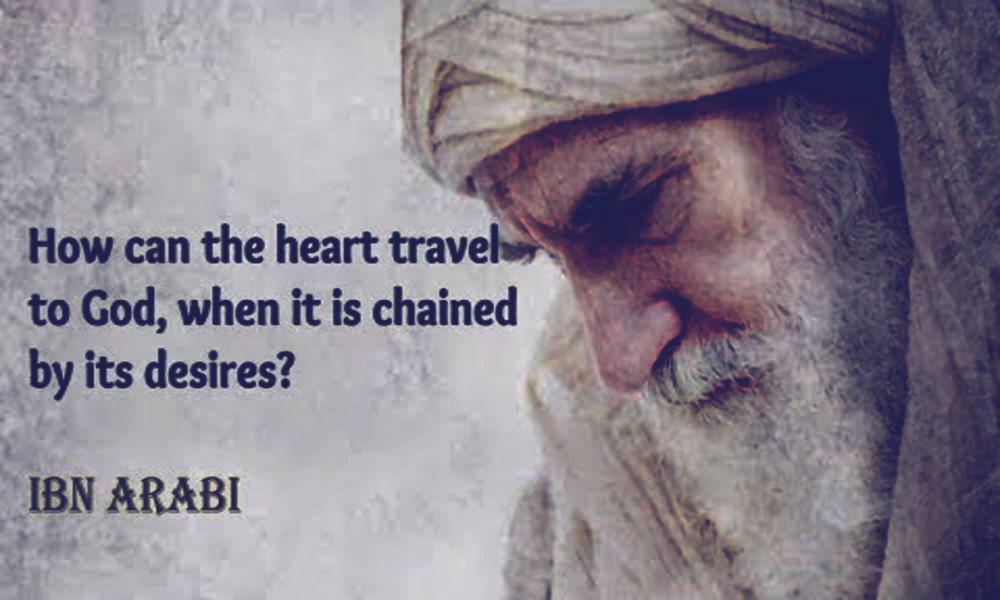
Ibn Arabi, also known as Muhyiddin Ibn Arabi and honored as Shaykh al-Akbar (“The Greatest Master”), was one of the most influential Sufi mystics in Islamic history. His life and teachings continue to impact Islamic thought and inspire spiritual seekers around the world.
Early Life of the Great Sufi Mystic
Born in 1165 CE in Murcia, Andalusia (Spain), Ibn Arabi grew up in a cultured family. From a young age, he showed a deep sensitivity to spirituality and had mystical visions that guided his journey. He studied the Qur’an, Hadith, law, and Sufism under leading scholars in Andalusia and North Africa.
Spiritual Journey
As a seeker of divine wisdom, Muhyiddin Ibn Arabi traveled extensively through Spain, Morocco, Mecca, Egypt, and Damascus. His pilgrimage to Mecca became a key moment where he began writing The Meccan Revelations. Later, he settled in Damascus, where he lived until he died in 1240 CE.
Major Works
Some of the most important writings by the Shaykh al-Akbar include:
– Al-Futuhat al-Makkiyya (The Meccan Revelations)
– Fusus al-Hikam (The Bezels of Wisdom)
– Tarjuman al-Ashwaq (The Interpreter of Desires)
These works explore divine unity, prophetic wisdom, and the mysteries of spiritual love.
Teachings and Philosophy
At the core of his philosophy is Wahdat al-Wujud (Oneness of Being), which holds that all creation reflects the Divine Reality. His teachings emphasize:
– The unity of existence under God.
– Universal love as the path to truth.
– The role of prophets in sharing divine wisdom.
– Gaining knowledge through inner unveiling (kashf) rather than reason alone.
Legacy
The influence of Muhyiddin Ibn Arabi has lasted through the centuries, shaping Sufi traditions, poetry, and Islamic philosophy. While some orthodox scholars have challenged his ideas, his mystical insights continue to inspire spiritual seekers. His shrine in Damascus, Syria, remains a place of honor for pilgrims and admirers.
The story of Ibn Arabi shows a life committed to divine love, wisdom, and spiritual growth. His works and philosophy solidify his status as one of the greatest masters in Islamic mysticism, leaving behind a lasting legacy.